If you’re trying to have a baby, the first thing you’ll want to know is when you’re ovulating. By the same token, if you’re trying not to have a baby you’ll want to know when you’re ovulating! You can only get pregnant when you ovulate, so it’s important to know when it happens.
Every woman’s cycle is different, so here’s how you can find out what time of the month you’re most fertile.
What is ovulation?
Ovulation is when your body releases an egg to be fertilized. Women are born with all the eggs they’ll ever have, and they sit inside the ovaries waiting to develop.
Once a month, hormones will activate the growth of an egg. At around the middle of the menstrual cycle it will be released. Very rarely two eggs may be released, or no egg at all. Generally speaking, though, you will release one egg every month.
If the egg isn’t fertilized in about 24 hours it dissolves and leaves the body with the menstrual fluid during your period. This day of ovulation is your window of fertility.
How to track ovulation
Since ovulation is a hormonal change in the body, it can be monitored and tracked using special ovulation kits. There are several ovulation kits and fertility monitors on the market that will monitor how fertile you are during the month. They usually work by tracking hormone levels in your urine.
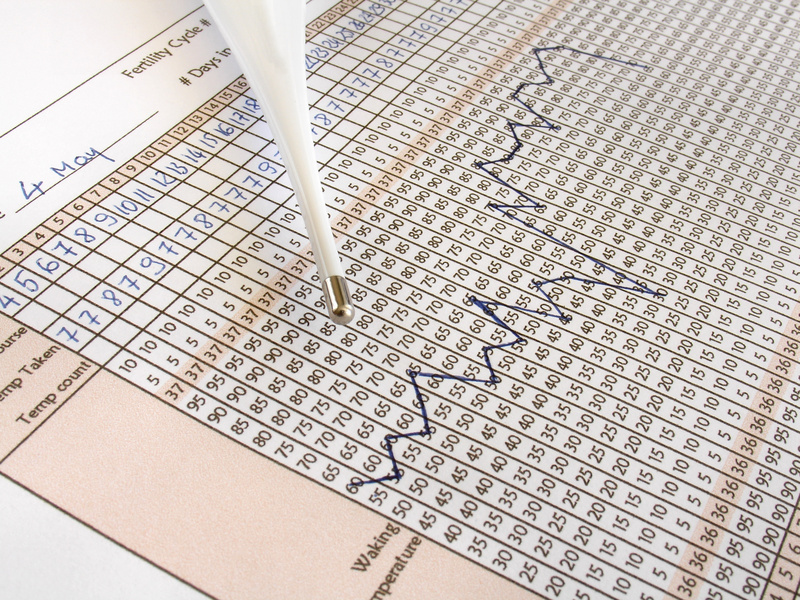
There’s another way to track your ovulation, and that’s observation. For most women, their temperature will rise by about one degree during ovulation, so many women will monitor their temperature first thing every morning and chart when their temperature rises slightly.
The cervical mucous also changes during ovulation, so a woman’s vaginal discharge will get clearer and more stretchy right around ovulation. This slight change in mucus resembles egg whites and it’s a good sign that the egg is ready to be fertilized.
Because sperm can survive in a woman’s body for up to five days, it’s possible to get pregnant even if you last had sex before you ovulated. Women who are trying to conceive will often chart their ovulation for several months to look for a pattern and will time intercourse to happen in the days prior to ovulation.
For women who are not trying to get pregnant, there is good reason to practice extra safe sex and use more than one kind of contraception during the days leading up to ovulation.
Whether you’re trying to conceive or not, your fertility depends on ovulation. It makes sense to learn your own fertility cycle.